

For the audio version of this article, read by the author, go here.
You’ve likely heard the saying, “A picture is worth a thousand words.”
And it’s true: a single photo can communicate a very complex idea almost instantaneously.
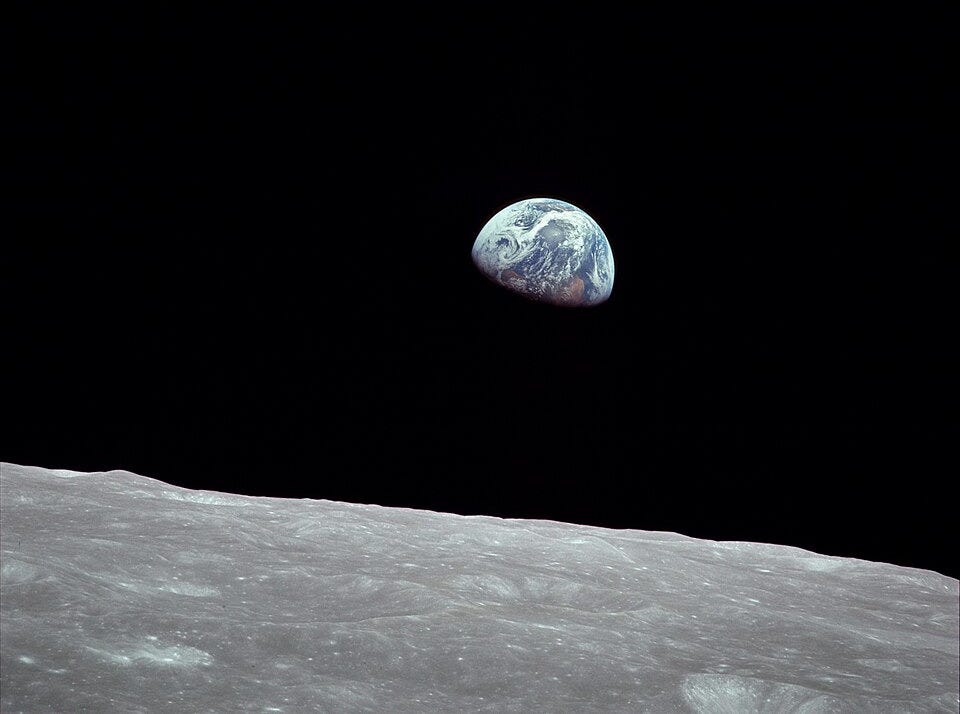
Think “Tank Man,” the iconic photo of a Chinese man facing down the Chinese Army during the Tiananmen Square protests, or “Earthrise,” the photo of Earth taken from Apollo 8.
But in our digital age, people are taking more photos than ever: some two trillion last year. That’s more than five billion each day.
That means humanity now takes more photographs before breakfast every day than it did during the entire 19th century — a time that included the invention of photography, the Industrial Revolution, and several wars.
If one picture is worth a thousand words, how much are a trillion photos worth?
Then again, with so many photos being taken, is each one still worth even that much — or anything at all?
Is that what’s happened? Are photos now basically worthless?
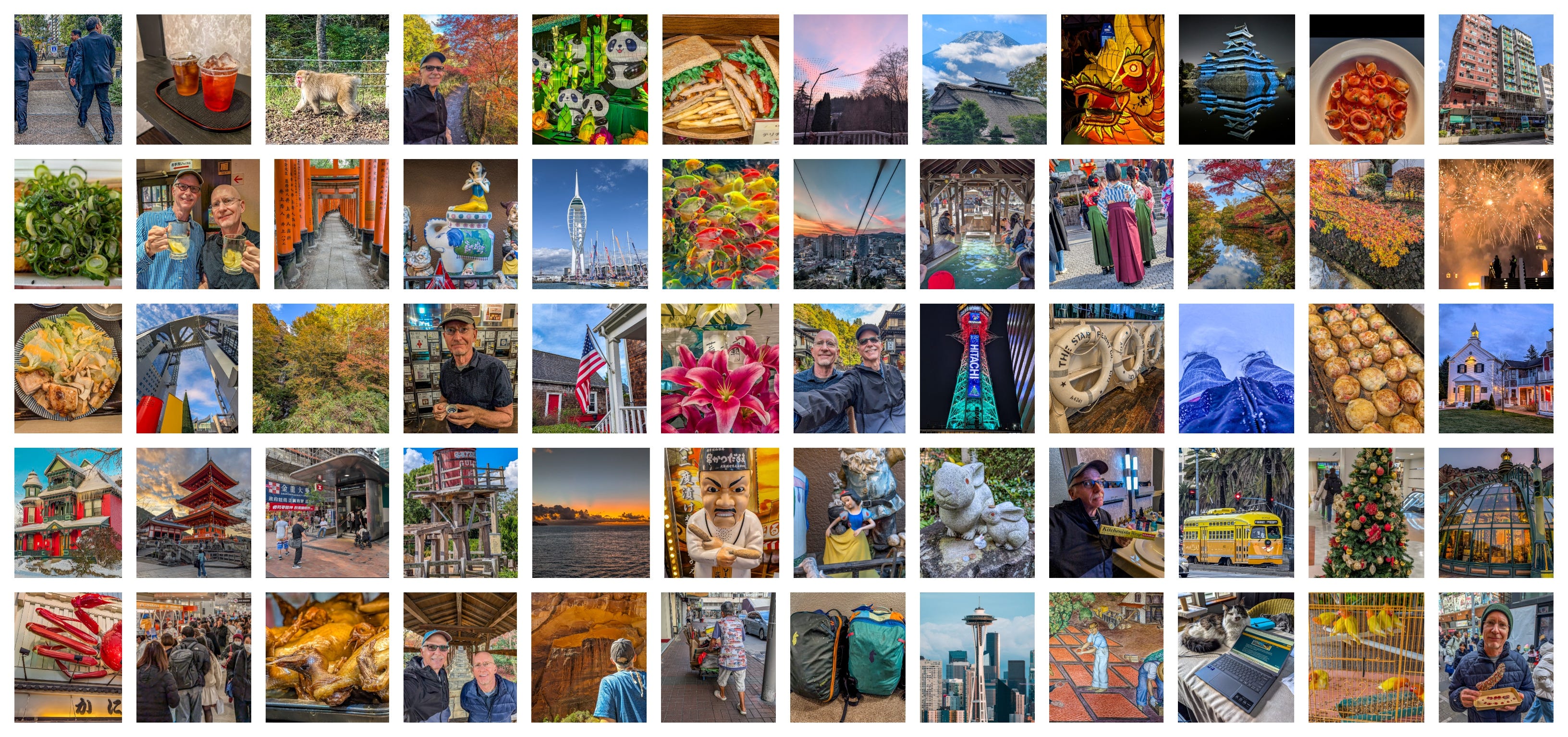
Of the five billion photos taken today, I’m sure many will be good and some even remarkable.
But does that matter if no one sees them? Even if it’s posted on social media, the algorithm-gods may bury it beneath seventeen photos of someone’s lunch of pasta primavera and a golden retriever named Kevin who can smile.
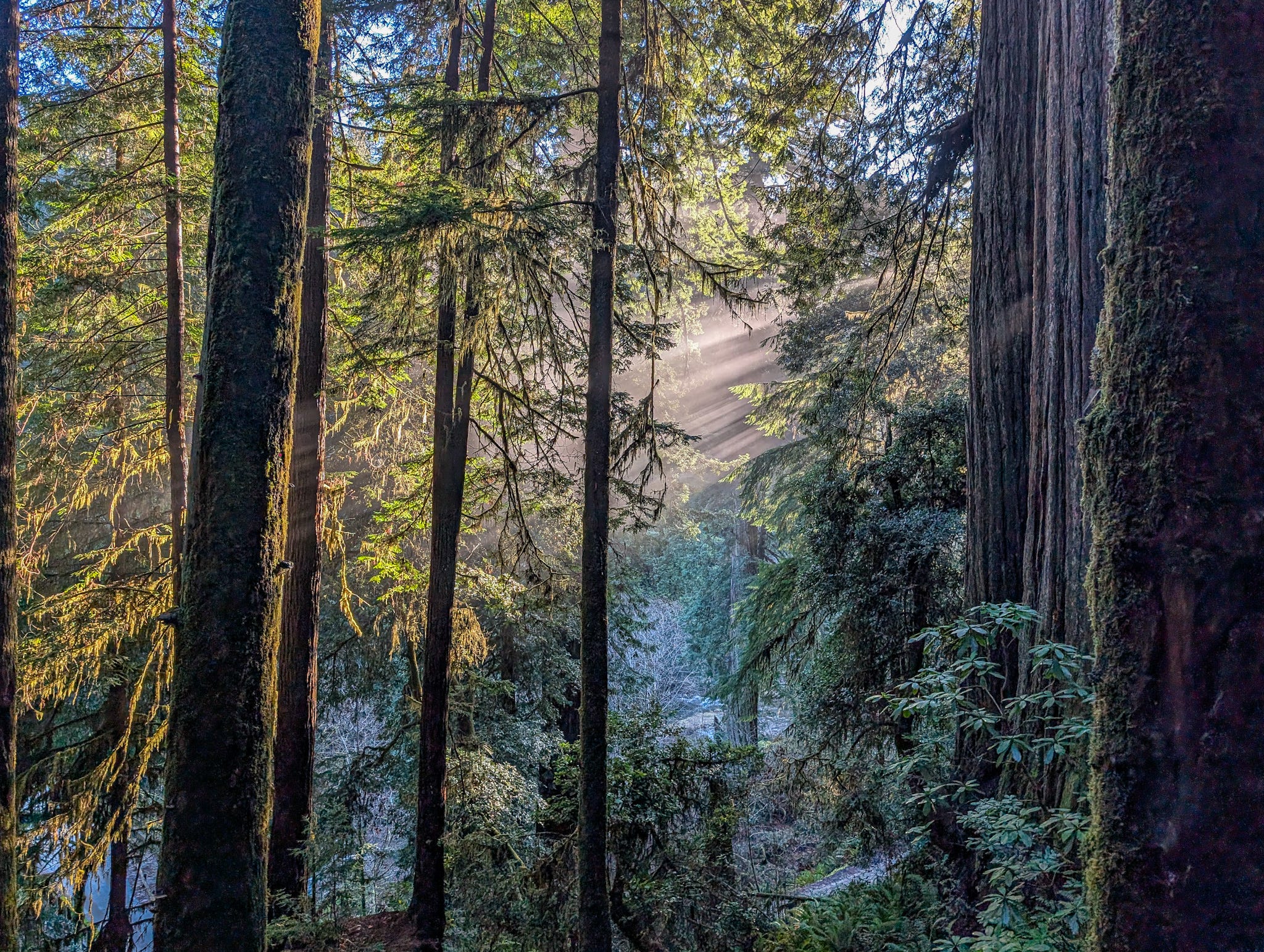
If a gorgeous photo is taken in a forest but no one sees it, is it really a photo of a gorgeous forest?
These questions matter to me. A lot.
Photography is something I am passionate about, and I have over 100,000 photos stored in Adobe Lightroom to prove it.
Which means I am personally responsible for a measurable percentage of humanity’s visual noise.
I want to believe that some of my photos are among the good or even great ones. But if no one ever sees them, how can I know?
So are there too many photos?
Thanks to smartphones and their ease of use for photography, hundreds of millions of people can now express themselves visually — people who couldn’t do that before. Even people without access to expensive camera equipment can now take great-looking pictures.
Stories that weren’t being told now are. That’s a good thing.
The scarcity is now not in the images — it’s in the time we have to give each one.
But my photos still matter, at least to me.
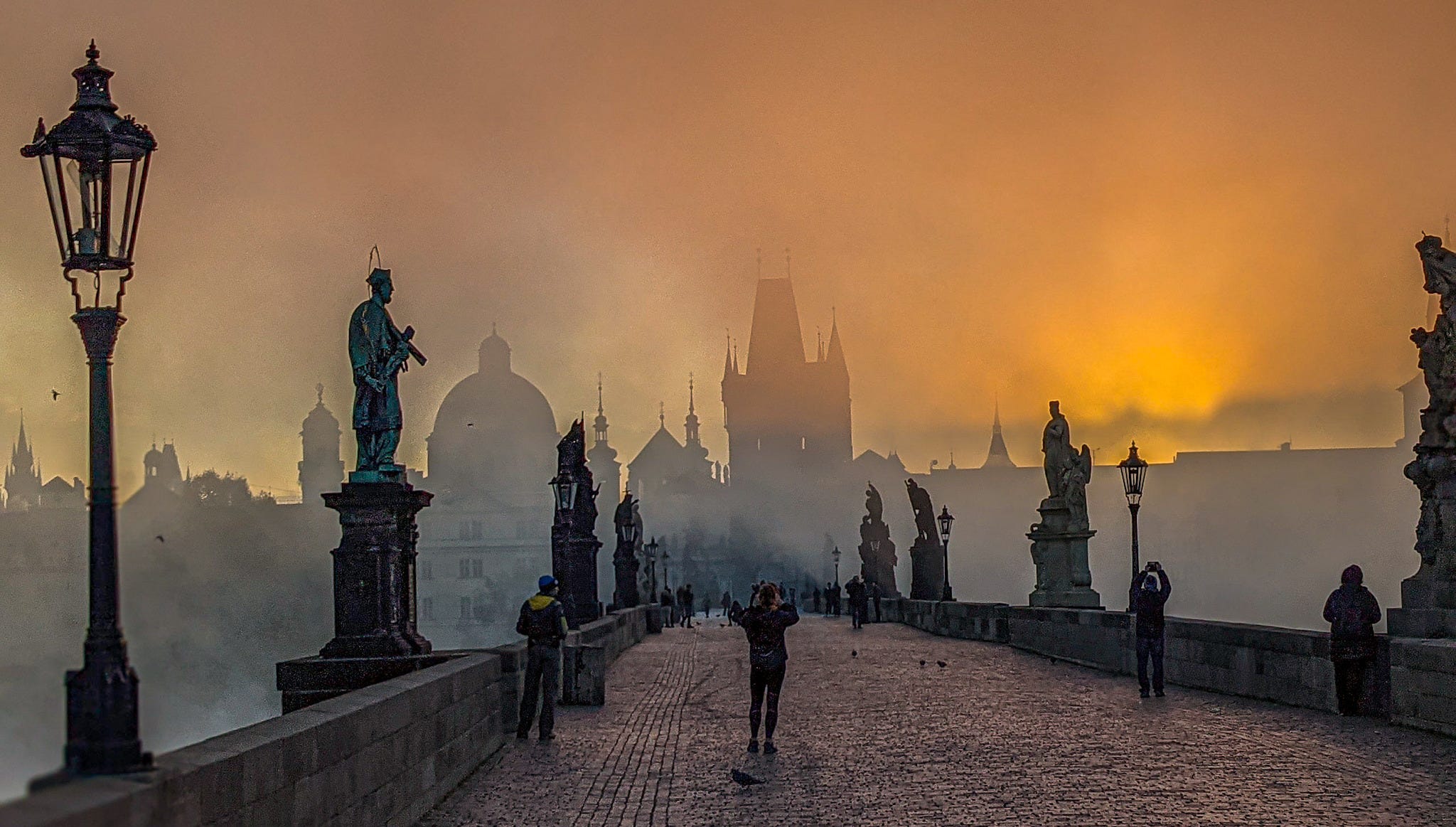
Before taking up photography, I rarely sought out a starry night sky. I rarely chased sunrises. I didn’t wander much. I didn’t notice evening light the way I do now.
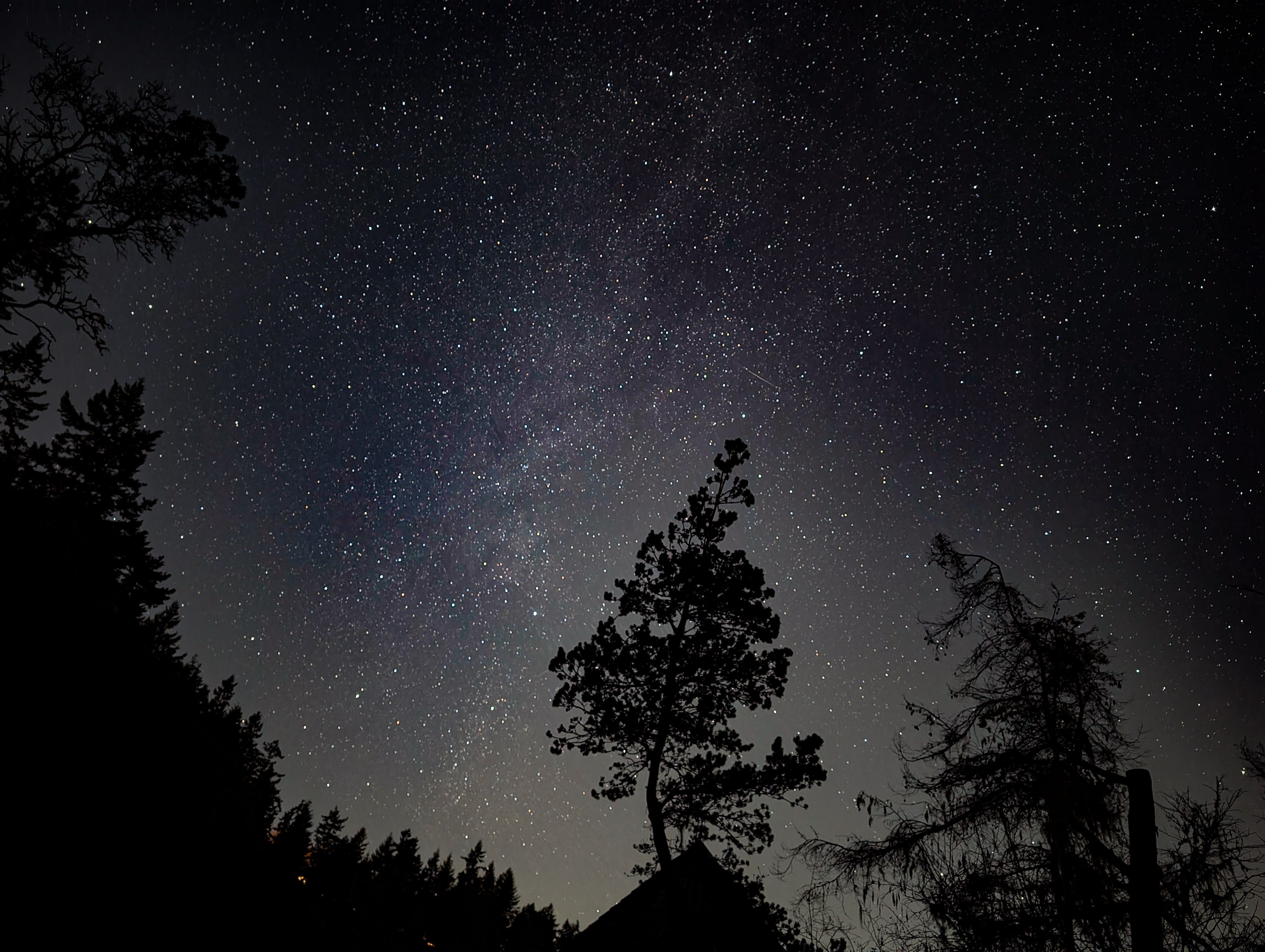
I take photos to preserve memories of what I’ve seen and done, so when I’m an old man — assuming I can still remember the password to my cloud storage — I’ll be able to look back and remember the morning I wandered the ancient streets of Istanbul, then took a ferry across the Golden Horn to visit Galata Tower.
Or how amazing it was to fly over Lake Como in a small plane, the villas glowing in the afternoon light.
I take photos because they motivate me to go out and explore the world almost every day, and to look more closely at what I see. I am now far more aware of the details around me than I ever was before — not just when I’m taking pictures, but always.
I didn’t use to know much about clouds. Now I know a “mackerel sky” is rows of cirrocumulus lined up like fish scales. “Mare’s tails” are cirrus uncinus that resemble, yes, horses’ tails.
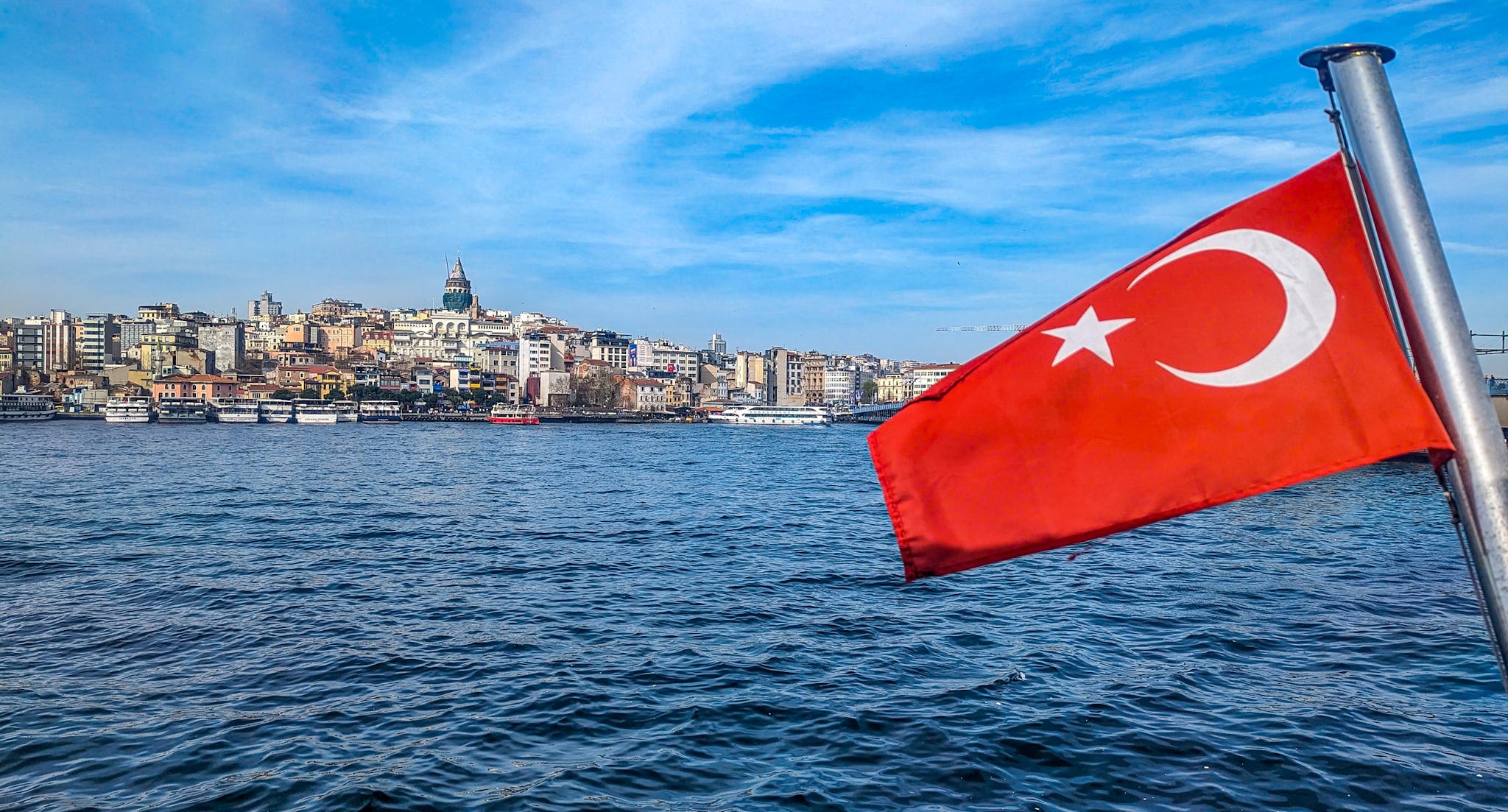
I’m now the kind of person who ruins road trips by yelling “ASPERITAS!” and making the driver pull over so I can take pictures of those very rare clouds.
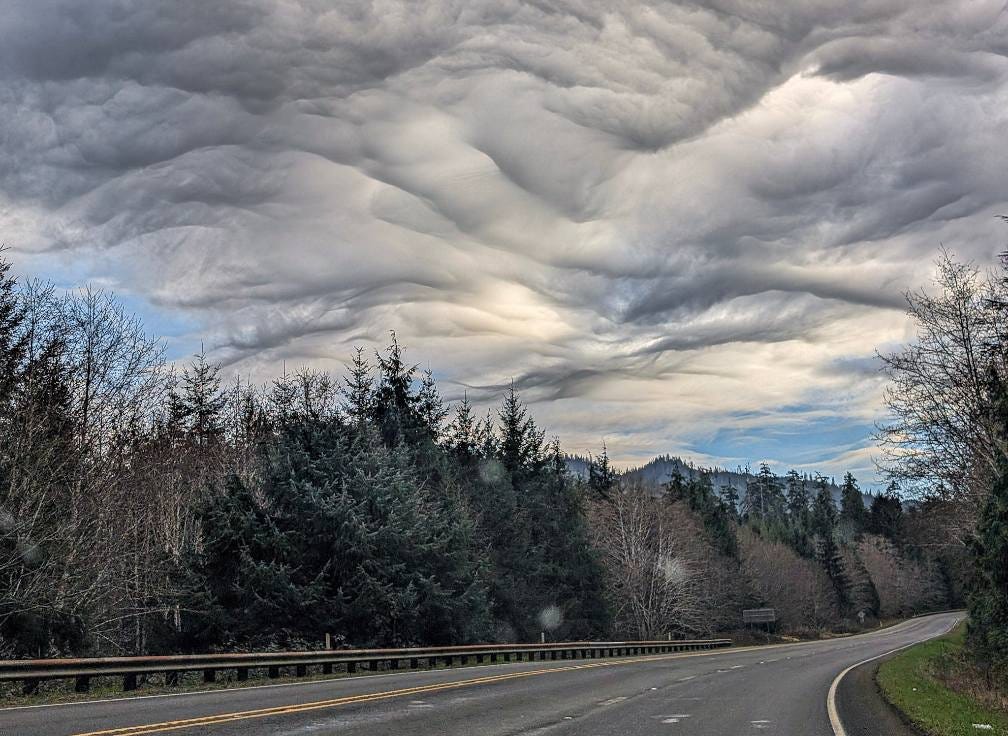
Without photography, I also wouldn’t have gotten out of bed early enough to chase sunrises in Colorado, Cambodia, and Hungary — or to photograph the Charles Bridge on a frigid morning in November.
But I take my photos for other people too.
I consider myself strictly an amateur, so I hope this doesn’t sound pretentious, but I want to say something about the world with my photos: show a little beauty or make people feel something.
I spend a lot of time taking and editing my pictures, in the hope that as people scroll through the torrent of images pouring out of their phones, they might pause for a moment at one I took.
Of course, I also take photos for this newsletter: to tell the stories of our lives, the places we visit, and the people we’ve met.
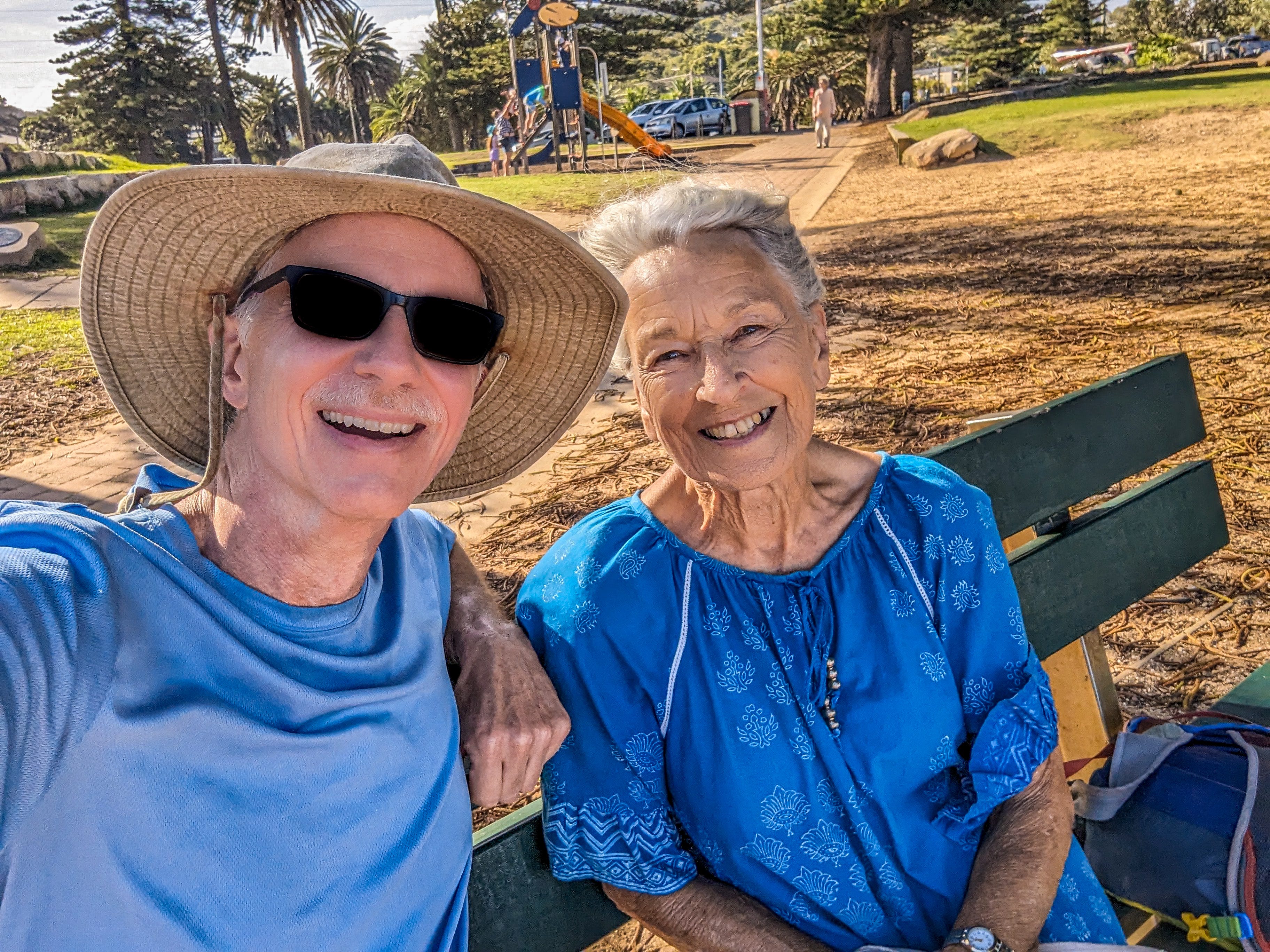
Like Colleen, the 92-year-old English woman I met on a bench in Australia.
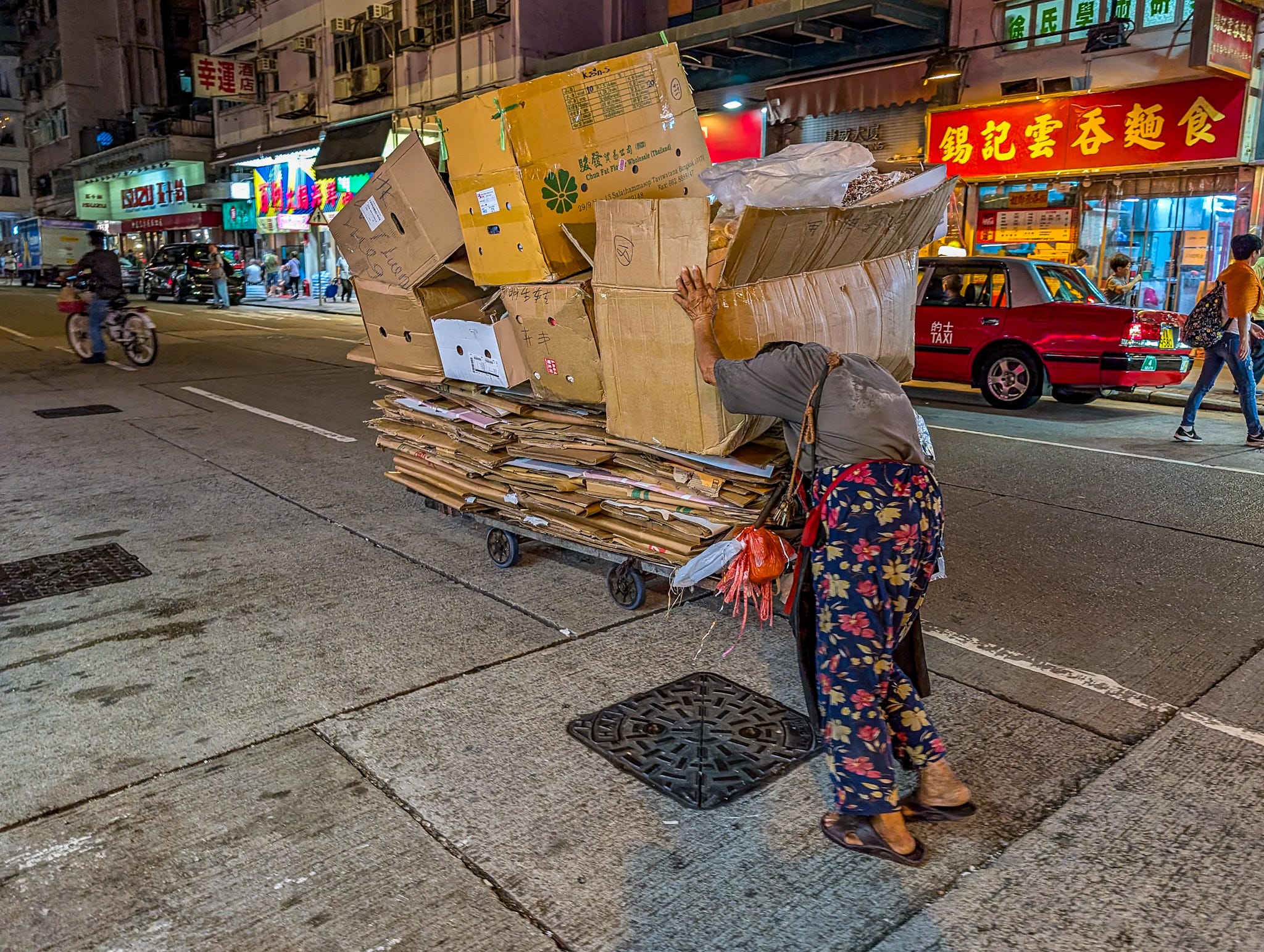
It’s one thing to write about poverty in Hong Kong. It’s another thing to show a “cardboard granny” — an elderly woman bent under piles of cardboard, collecting scraps to supplement her meager income.
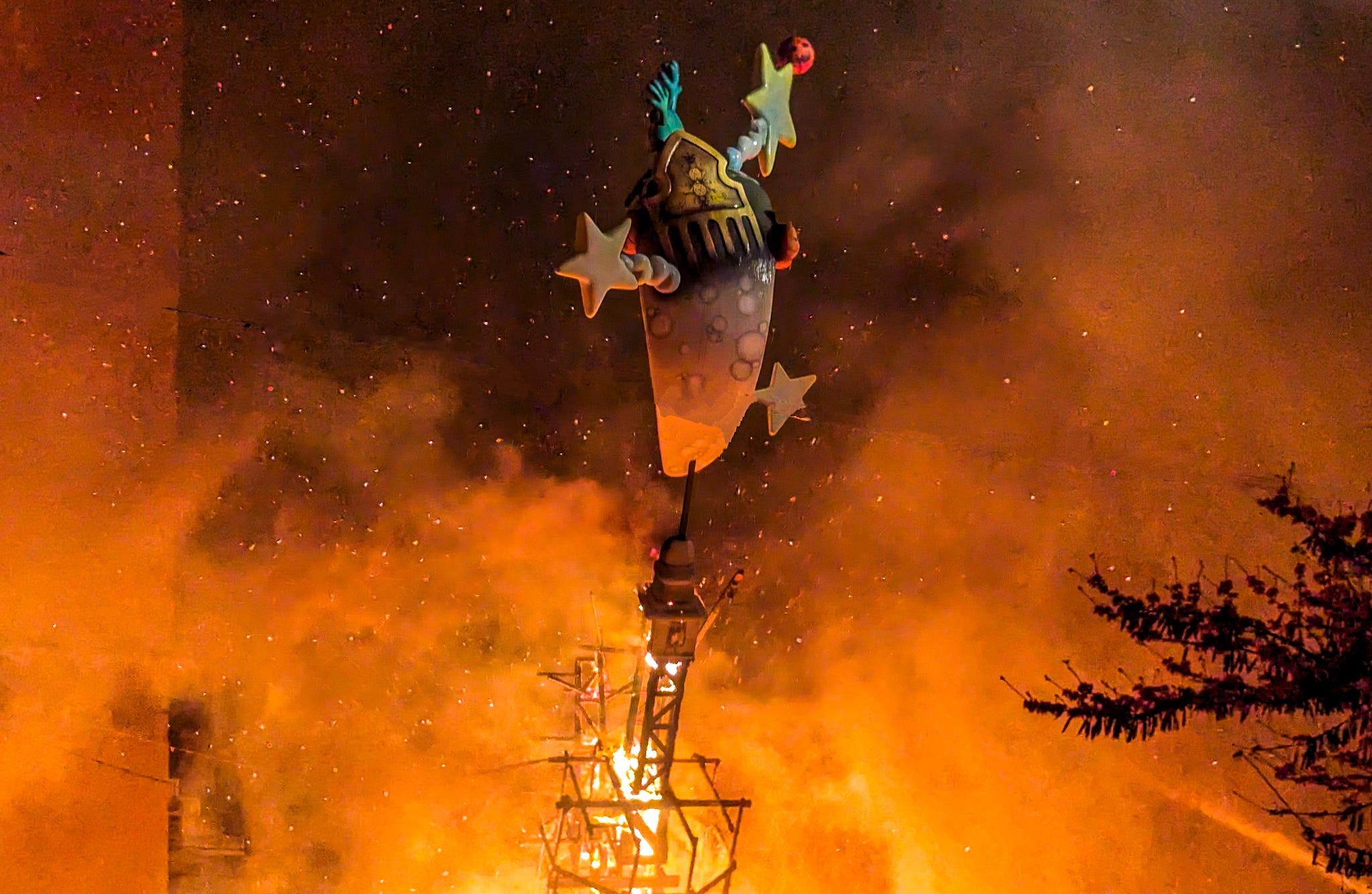
And it’s one thing to describe the incredible Las Fallas Festival in Valencia, Spain, where they build and then burn massive paper-mâché sculptures. It’s another thing to show a towering sculpture collapsing into fire on the festival’s night, La Cremà.
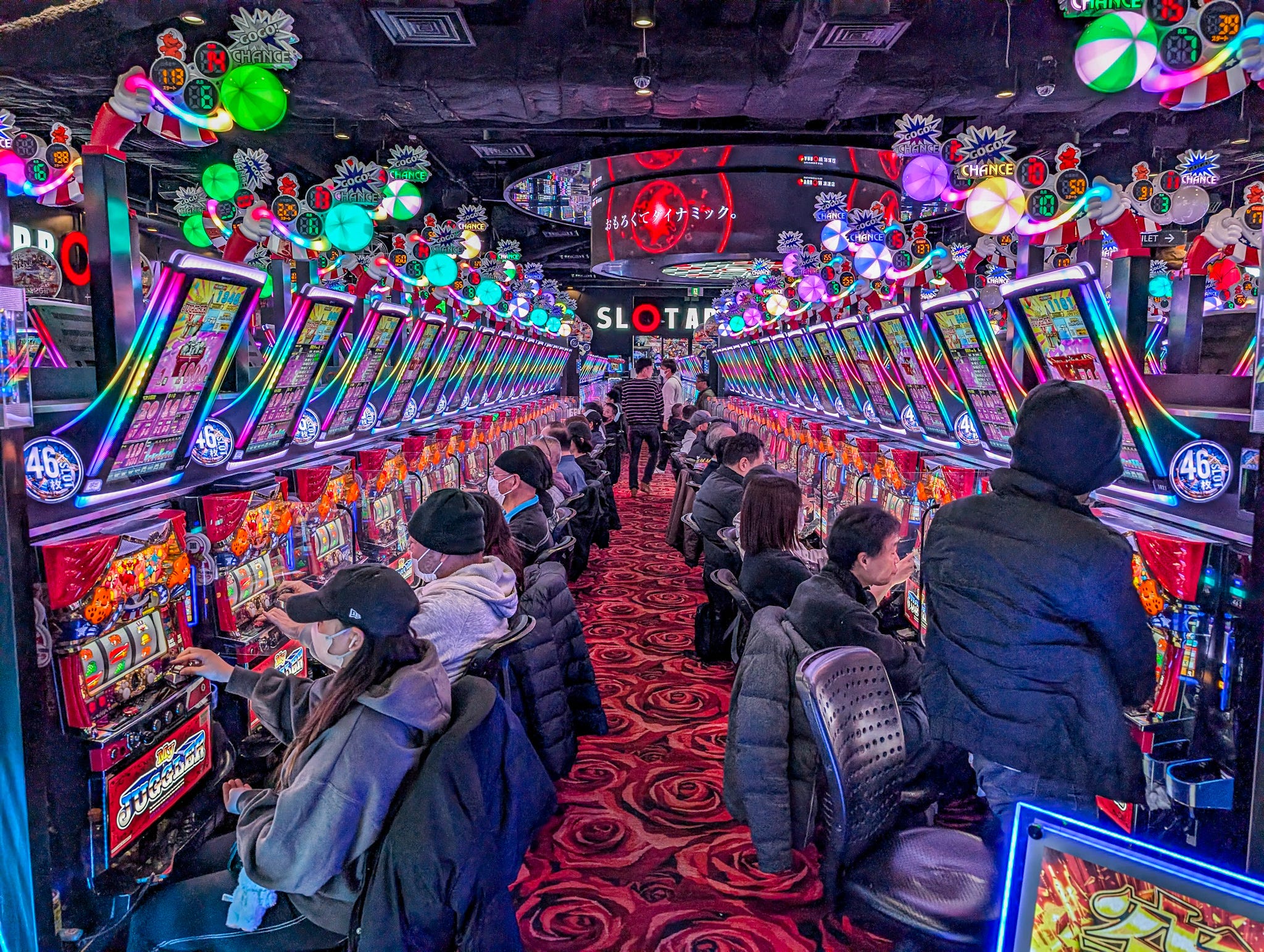
If I’m being completely honest, another reason I take photos is that I have an ego — and like most egos, mine requires regular feeding.
Social media is basically a very elaborate ego vending machine, and yes, I enjoy the occasional payout.
I’m not ashamed to admit it: when my photos are seen, I feel seen. Beneath the likes, comments, and shares, there’s connection. And connection still matters, even in a world drowning in images.
So what are two trillion photos worth?
Probably less than we think.
But maybe more than we realize.
And definitely more than whatever I photographed for lunch yesterday.
Michael Jensen is a novelist and editor. For a newsletter with more of my photos, visit me at www.MichaelJensen.com.
Sometimes you need to make a hundred photos to get one really good shot. Sometimes you need to write a thousand words to end up with a few good sentences. The value is on selection.
I try to clean up my photo roll everyday and go through older journeys regularly. But it takes time. And making photos can temporarily feel more satisfying.
(I’m right with you there, yelling in delight about those special cloud formations!!)